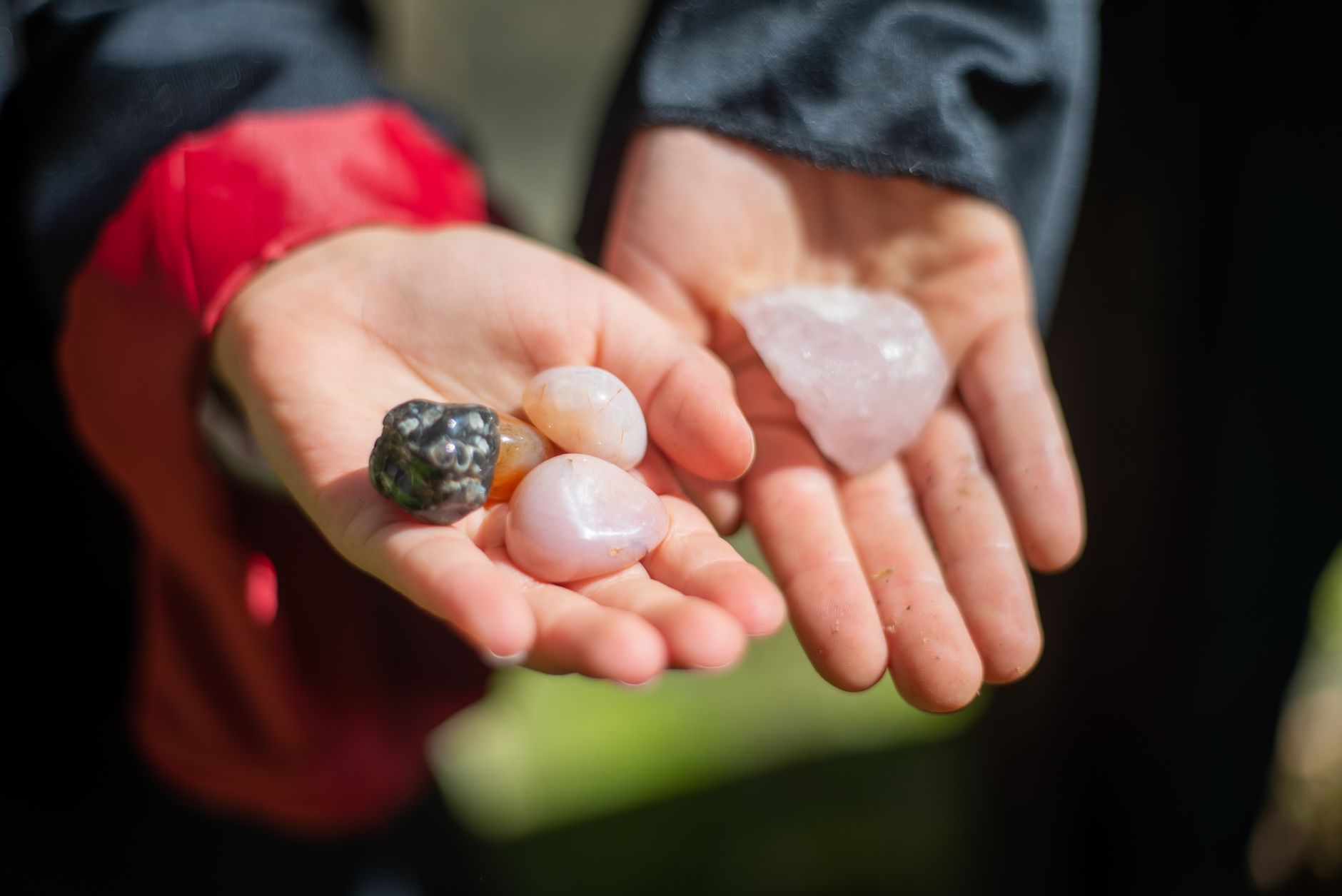
⚡ Quick Answer: Georgia’s best rockhounding find is Gold. Top site: Dahlonega (Lumpkin County) (Fee digs, public panning). State gem: Quartz and Star Blue Sapphire. Best season: March through November.
Photo: Peter Döpper / Pexels
🪨 Georgia Rockhounding Overview
State GemQuartz and Star Blue Sapphire Top MineralsGold, Rubies, Sapphires, Staurolite Best SeasonMarch through November Difficulty LevelBeginner-Friendly Top Sites5 featured locations Permit Required?Depends on land type — see permit section
Georgia was home to the first major US gold rush in 1829 — 20 years before California. Dahlonega is now a historic gold mining town with accessible fee digs, mine tours, and a rich history of producing placer and hard rock gold.
What Minerals Can You Find in Georgia?
| Mineral / Gem | Notes |
|---|---|
| 💎 Gold | Found in Georgia |
| 💎 Rubies | Found in Georgia |
| 💎 Sapphires | Found in Georgia |
| 💎 Staurolite | Found in Georgia |
| 💎 Quartz | Found in Georgia |
| 💎 Garnets | Found in Georgia |
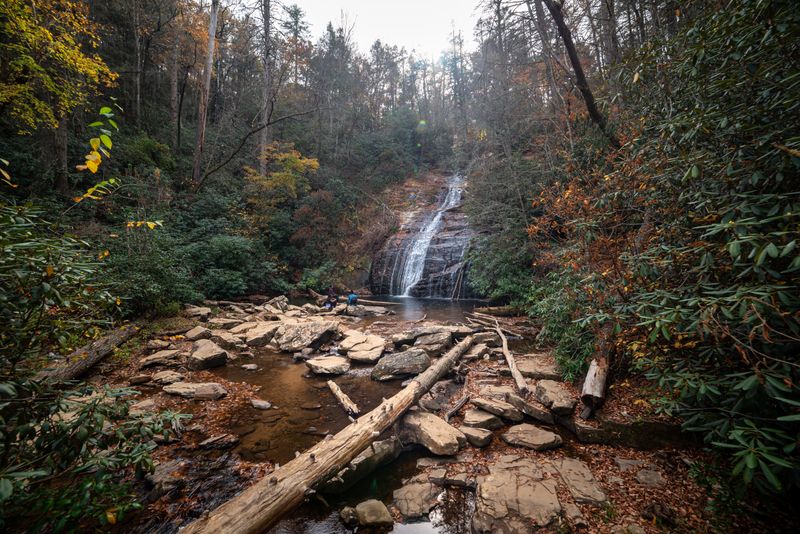
Photo by Dominik Gryzbon / Pexels
Top 5 Rockhounding Sites in Georgia
These are the best-documented and most productive collecting localities in Georgia. Verify access and current regulations before visiting — land status can change.
📍 Dahlonega (Lumpkin County)
Best Finds: Gold — site of first US gold rush (1829)
Access: Fee digs, public panning
Difficulty: Very Easy
📍 Gold n Gem Grubbin (Cleveland)
Best Finds: Rubies, sapphires, garnets, amethyst
Access: Fee dig ($15–30)
Difficulty: Very Easy
📍 Consolidated Gold Mine (Dahlonega)
Best Finds: Gold, quartz, pyrite
Access: Mine tour + panning ($25)
Difficulty: Very Easy
📍 Chestatee River
Best Finds: Gold, sapphires
Access: Public river (portions)
Difficulty: Easy
📍 Sylvania area
Best Finds: Staurolite fairy stones
Access: Private land access required
Difficulty: Hard
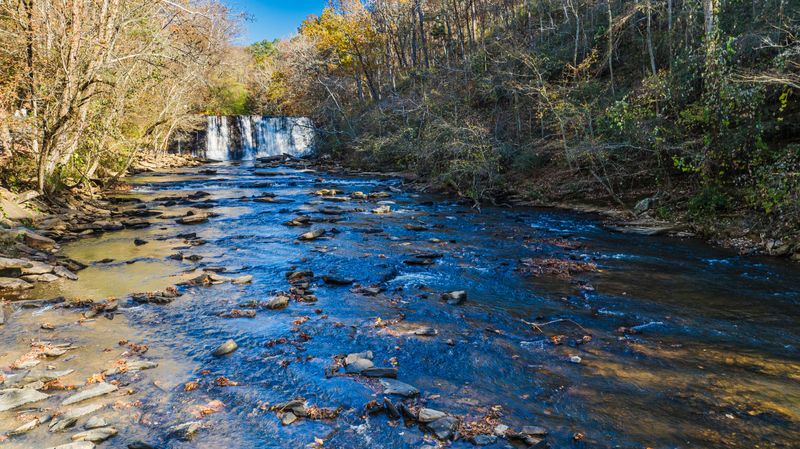
Photo by Andy Staver / Pexels
Do You Need a Permit to Rockhound in Georgia?
Fee-dig operations are on private land — pay and collect. Gold panning on public rivers follows Georgia state law (personal use allowed). National Forest casual collecting rules apply in Chattahoochee-Oconee NF.
General federal land rules: On BLM and National Forest land, casual collecting for personal (non-commercial) use is allowed under the BLM Casual Use policy — up to 25 lbs/day and 250 lbs/year. You cannot sell what you collect under casual use rules. National Parks prohibit collecting entirely.
Always check the USGS mineral resources database and the specific land management unit’s website before visiting.
Best Season for Rockhounding in Georgia
March through November — summer is hot and humid but fine for most sites.
Timing your trip right maximizes your chances:
After rain: Fresh precipitation washes mineral surfaces clean, making them easier to spot
Early morning: Low-angle light creates shadows that reveal crystal surfaces and gem shapes
Avoid peak summer for desert/exposed sites — heat exhaustion is a real risk at many western localities
Gear Checklist for Rockhounding in Georgia
Rock hammer (Estwing is the industry standard — see our rock hammer guide)
Safety glasses — essential when hammering
Hand lens or loupe (10x magnification)
Field guides specific to Georgia geology
Sturdy boots with ankle support
GPS unit or phone with offline maps (cell service is spotty at remote BLM sites)
Plenty of water — especially for desert sites
Collecting bags and newspaper/bubble wrap for fragile specimens
Rockhounding in Georgia: FAQ
What is the state gem of Georgia?
The state gem of Georgia is Quartz and Star Blue Sapphire. Dahlonega (Lumpkin County) is the top site for finding it.
Can you sell rocks found on public land in Georgia?
Generally no. BLM and National Forest casual collecting permits are for personal, non-commercial use only. Selling specimens collected on public land without a commercial permit violates federal regulations. Fee-dig sites on private land are a different matter — what you pay to collect on a private operation is yours to keep and sell.
Are there any rockhounding clubs in Georgia?
Yes — most states have active gem and mineral clubs affiliated with the American Federation of Mineralogical Societies (AMFED). Joining a local club gives you access to field trips with experienced guides, private land access through club arrangements, and identification help for your finds.
What tools do I need for rockhounding in Georgia?
At minimum: a rock hammer, safety glasses, hand lens, GPS, and sturdy boots. For Georgia specifically, basic tools are sufficient for most accessible sites. Read our full rockhounding gear guide for detailed recommendations.
Related Articles
Best Rockhounding States 2026 Top 10 US states ranked by variety and access
Best Rock Hammers 2026 Top picks for every type of collecting
Mineral Collecting Field Guide Identification, tools, and best practices